
Spring Sump Pump Failure Guide for Omaha Homes
Hey Omaha!!! Spring in Omaha has a way of testing your sump pump whether you’re ready or not. Snow melts, the ground is already saturated, then we get one of those steady Nebraska rains that seems to last all weekend. That’s when basements start calling for help.
We get a lot of sump pump calls this time of year, and most of the time the homeowner had no idea anything was wrong until water started showing up. The truth is, sump pumps usually fail quietly. They sit there for months doing nothing… until the one night you really need them.
Here are the most common reasons sump pumps fail in spring around Omaha and what to watch for.
Spring Rains Push Your Sump Pump to the Limit

Omaha soil holds water, especially in newer developments where the ground has been heavily disturbed during construction. Add melting snow plus a good spring storm and suddenly your sump pump is expected to run constantly. Then water gets in your Omaha homes basement! When there is water in your basement in Omaha that is a sign that IF you have a sump pump it may not be working!
We often see pumps that technically still work but simply cannot keep up. The motor runs nonstop, gets hot, and eventually gives out right when the rain is coming down hardest.
Homes near low areas, creeks, or heavy clay soil tend to see this the most.
Power Goes Out During Storms
Storms and power outages seem to travel together in Nebraska.
Standard sump pumps rely on electricity. So when the power flickers off during a thunderstorm, the pump stops working. Unfortunately, that is usually the exact moment groundwater is rising the fastest.
This is why many homeowners choose to add a battery backup sump pump. It keeps working even when the lights go out.
Float Switch Gets Stuck

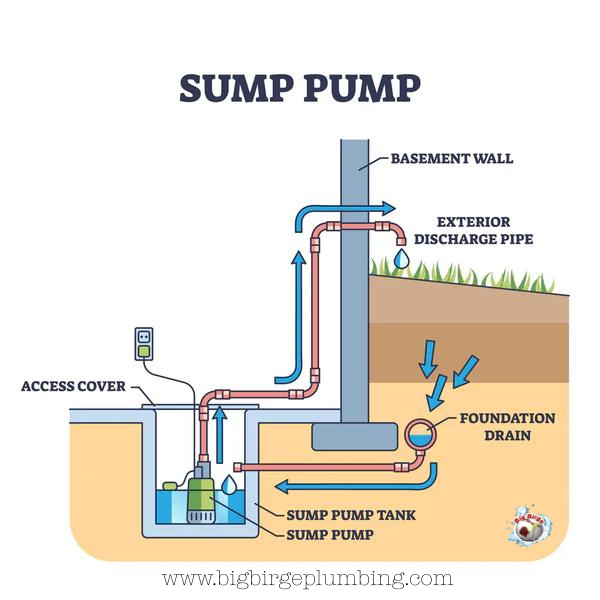
The float switch is the small but mighty part that tells the pump when to turn on.
If the float gets stuck, the pump may never start. We have seen float switches jammed because:
• debris fell into the pit
• cords were tangled
• the pump shifted over time
• cheaper components wore out
Sometimes all it takes is one small rock or piece of construction debris left behind by the builder.
Discharge Line Gets Blocked or Frozen

Your sump pump can be working perfectly, but if the water cannot leave the house, the system cannot do its job.
Every spring we find discharge lines that are:
• still frozen from late cold snaps
• buried under mulch or landscaping
• clogged with mud
• blocked by animal nests
• crushed or disconnected
One common issue in Omaha is snow being piled near the discharge line during winter, then melting and refreezing into ice inside the pipe.
Older Sump Pumps Choose the Worst Time to Quit
Most sump pumps last somewhere around 7 to 10 years depending on how often they run.
The challenge is that many homeowners do not know how old theirs is. We sometimes open a pit and find a pump that has been faithfully working since the early 2000s.
Sump pumps rarely fail on a calm sunny day. They fail during the biggest rainstorm of the season.
Builder Grade Pumps Wear Out Faster Than People Expect

A lot of homes around Omaha have builder grade sump pumps installed when the house was first built. They are not always sized for long term demand.
They may work fine the first few years, but after repeated heavy spring seasons, they start to struggle.
We often recommend upgrading before failure rather than cleaning up a flooded basement later.
Improper Installation or Undersized Pumps
Not all sump pumps are created equal. Some homes need higher horsepower pumps depending on water conditions around the foundation.
We occasionally see:
• Pumps installed without a check valve
• Pits that are too small
• Improper drainage setup
• Budget pumps installed in high water areas
When the system is not matched to the home’s needs, it may struggle every spring.
Simple Spring Sump Pump Checklist
If you want peace of mind before the next storm, here are a few simple things to check:
- Pour water into the sump pit
Make sure the pump turns on and removes the water quickly. - Check outside where the pipe drains
Water should flow away from the foundation, not back toward it. - Listen for unusual sounds
Grinding or rattling can mean parts are wearing out. - Clear debris from the pit
Small rocks or dirt can interfere with the float. - Consider a battery backup
Especially helpful during spring storms with lightning. - Take note of the pump’s age
If it is getting close to 10 years old, replacement is often cheaper than water damage repairs.

Omaha Homes See a Lot of Groundwater in Spring
Between snow melt, spring storms, and our soil conditions, sump pumps in Omaha tend to work harder than people expect.
A sump pump is one of those things you do not think about until the day you really need it.
Checking it now is simple. Cleaning up a flooded basement is not.
If you’re in Omaha or the surrounding areas and want your sump pump checked before the next heavy rain, Big Birge Plumbing can take a look and make sure everything is working the way it should.
Honest plumbing at a fair price.
Big Birge Plumbing
Omaha, NE
402 575 0102
www.bigbirgeplumbing.comContact Us